
View our Pacing Calendars that supports engaging, standards – based learning across all grade levels.


At Waterside Children’s Studio School, mathematics is taught as a foundation for critical thinking, creativity, and real-world problem-solving. Our approach encourages students to build confidence in their abilities while developing a deep understanding of mathematical concepts through hands-on learning, discussion, and exploration. Across all grade levels, students are encouraged to explain their thinking, explore multiple strategies, and make meaningful connections that strengthen both conceptual understanding and academic growth.
Waterside’s math program supports every learner through engaging, differentiated instruction that balances foundational skills with inquiry-based learning. From developing early number sense in younger grades to applying advanced reasoning and analytical thinking in later years, students are guided in a supportive environment that values curiosity, perseverance, and collaboration. By connecting mathematics to everyday life, we help students build the confidence and skills needed for long-term academic success.
Mathematics at Waterside also connects learning to the world beyond the classroom. Through real-life applications, cross-curricular connections, and opportunities for discussion and reflection, students gain a deeper understanding of how math influences everyday life.
Orton Gillingham – Referred to as the gold standard of reading instruction and remediation, The Orton-Gillingham Approach is a highly structured way to teach reading, spelling, and writing to all students, specifically those with dyslexia. Developed by Dr. Samuel Orton, Anna Gillingham, and Bessy Stillman, the core focus of this proven approach is to teach reading and spelling in a logical, systemic, multisensory, and sequential way that meets the unique needs of the individual learner. Our school has been partners with Edwards Orton Gillingham since 2017 (https://edwardsog.com/) and we continue to work with them and their staff developers to support our teachers and students as we do this MUCH NEEDED work with our students.
– Heggerty Phonemic Awareness (https://heggerty.org/) – This is a research-based 35-week curriculum of daily phonemic and phonological awareness lesson plans. The Heggerty Phonemic Awareness Curriculum provides students with consistent and repeated instruction, and this transfers to developing a student’s decoding and encoding skills.
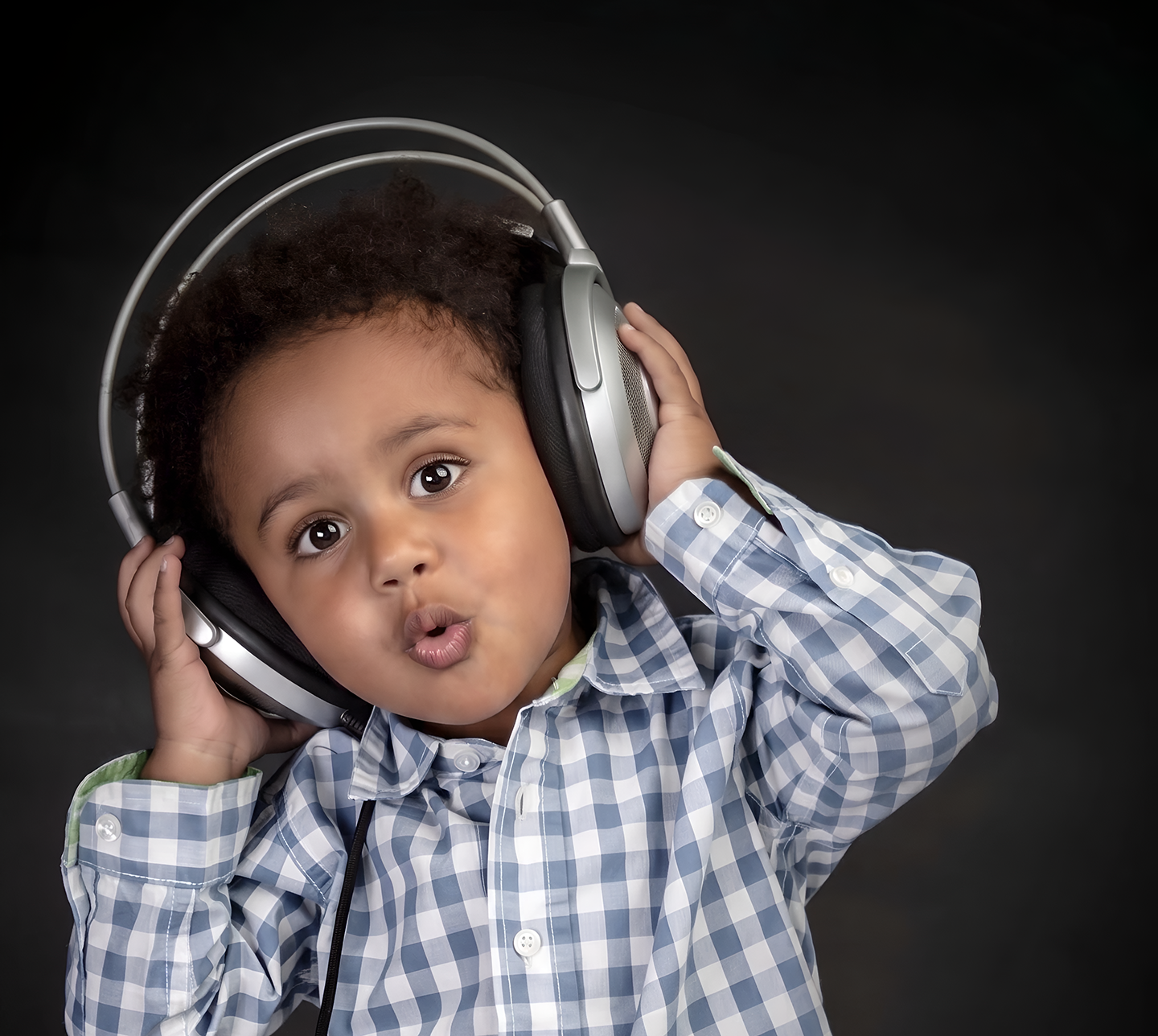


At Waterside, our science curriculum inspires curiosity, critical thinking, and hands-on discovery. Through engaging experiments and exploration, students learn to better understand the world around them while building confidence as young thinkers and problem solvers.


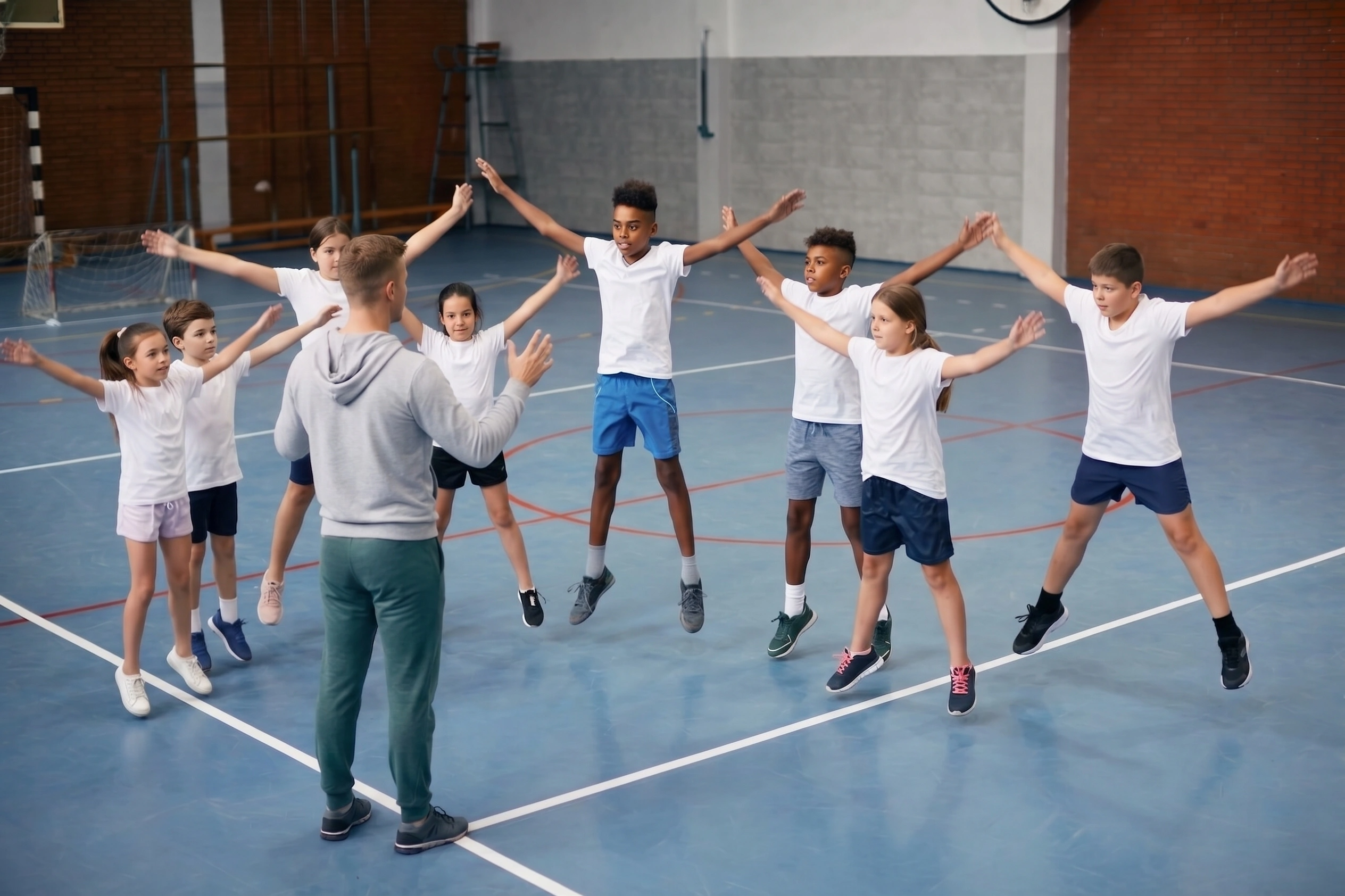
The primary goal of our Physical Education curriculum is to develop a positive attitude towards fitness that will carry over into adulthood. Programs are designed to help students acquire knowledge and awareness of their physical, social, and mental health.
The curriculum includes improving one’s physical being through daily calisthenics, pre and post physical fitness testing and self designed fitness programs. Cooperative play through team sports, and developing social interactions through co-educational activities are all integral parts of the Physical Education program. Furthermore, self, peer and teacher assessments will evaluate students on their acquired knowledge and skills.
Students will have the necessary knowledge and skills to establish and maintain physical fitness, participate in physical activity, and maintain personal health.
Students will acquire the knowledge and ability necessary to create and maintain a safe and healthy environment.
Students will understand and be able to manage their personal and community resources.

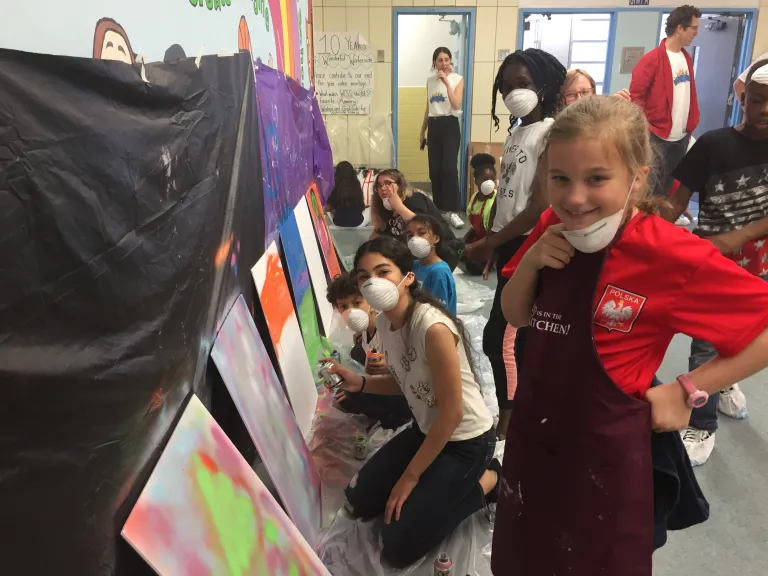
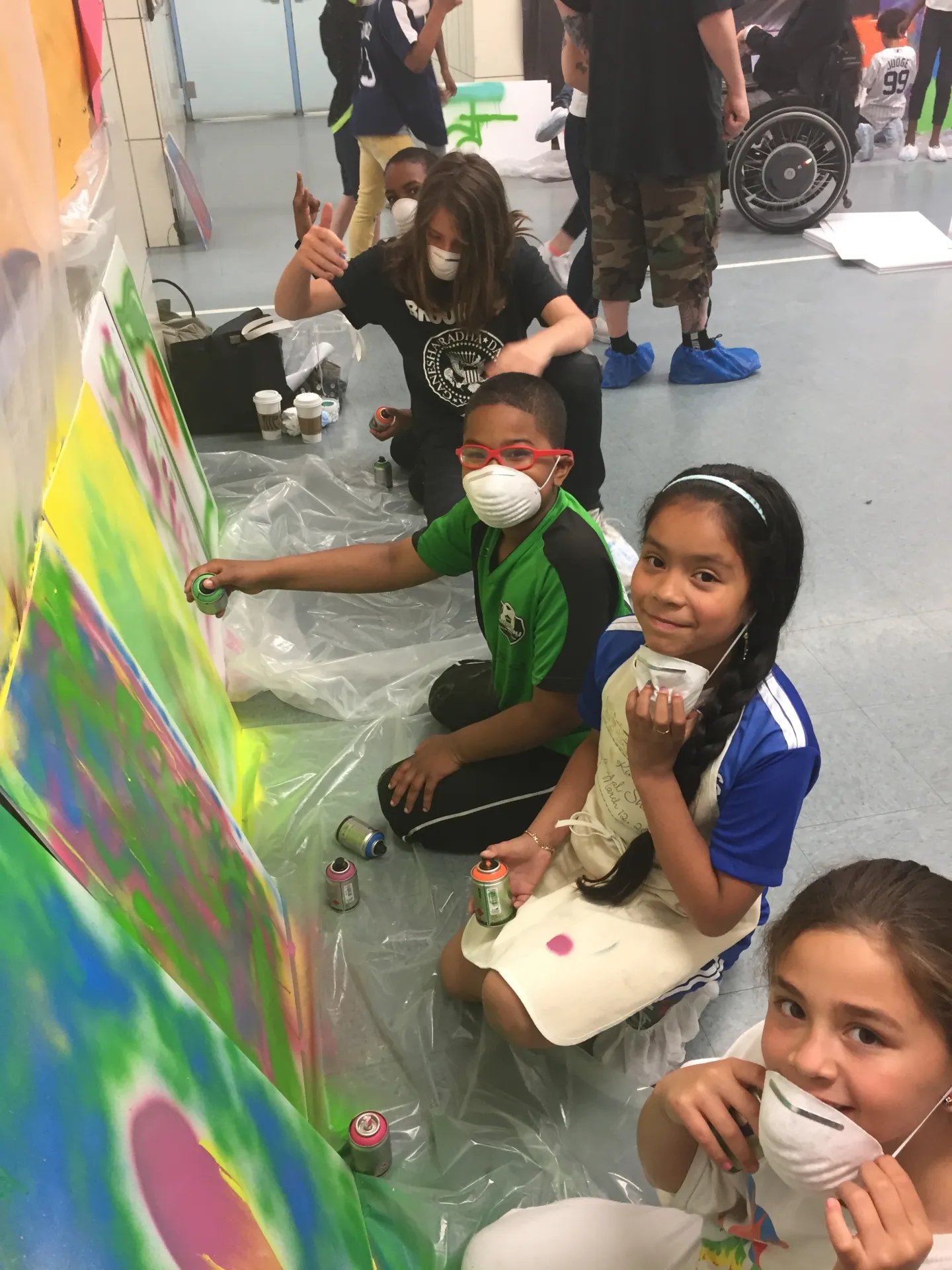
Waterside’s visual art program is designed to integrate components of art, art history, art criticism, aesthetics, and art production. The study of art provides opportunities for our students to nourish high level thinking skills. Making art is a major part of our curriculum and instruction. We will use hands on learning to give our students the best exposure to the visual arts.


At Waterside Children’s Studio School, our STEAM curriculum blends science, technology, engineering, art, and mathematics through creative, hands-on learning experiences. Students explore coding, robotics, digital problem solving, and collaborative projects using programs like Tynker and Code.org, helping them build critical thinking, creativity, and confidence while preparing for the future in an engaging and age-appropriate way.


At Waterside Children’s Studio School, our Makerspace program extends
STEAM learning by giving students opportunities to design, build, experiment, and create through hands-on exploration. Using technology, engineering challenges, art, and collaborative problem solving, students develop creativity, innovation, and real-world thinking skills in an engaging studio-style environment.
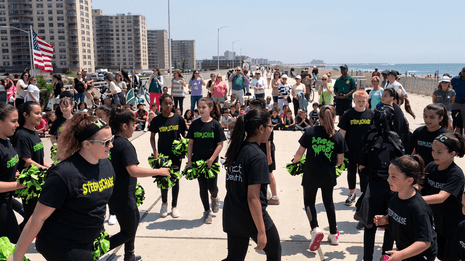
At Waterside Children’s Studio School, dance is an important part of creative expression and whole-child development. Through movement, rhythm, and performance, students build confidence, coordination, discipline, and collaboration while discovering new ways to communicate ideas and emotions.
Our dance program encourages students to explore creativity in a supportive and joyful environment while connecting movement to culture, storytelling, music, and the arts. Whether practicing technique or performing together, students learn the value of teamwork, self-expression, and perseverance.

Our drama program, taught by Ms. Getchius-Staines, introduces our students to plays and theater and helps them develop a love for reading and writing. Students will be exposed to important plays of our time, costuming, set design and ongoing performances.
Creative drama can include dramatic play, story enactment, imagination journeys, theatre games, music, and dance. “Let’s pretend” is the norm in creative drama class, not just a child’s game. Students will also learn how to give constructive feedback to each other thus building self esteem and speaking skills. Ms. Getchius-Stains has created a fabulous curriculum designed to meet all of our student’s learning needs at the same time building a love and respect for theater, reading, writing and one another.
At Waterside Children’s Studio School, we believe that arts education is an integral component of learning that develops crucial skill sets for students at all grade levels. The music program at WCSS gives all of its students the opportunity to participate and express themselves creatively through the language of music.
All grades will begin to develop music literacy through the practice of reading and writing musical notation and symbols. Students will also gain a music vocabulary that allows them to write and speak about music using appropriate terminology. Musical concepts explored in the curriculum include: rhythm, pitch, tempo, meter and dynamics. All children will have the opportunity to put musical concepts into practice through group participation in musical performance.
Lower grades will focus on rote-song learning, call and response exercises and expressive movement to facilitate discovery of basic musical concepts. Language skills are developed as students learn song lyrics and rhyming schemes. Numeracy skills are practiced as students learn to count beats and rhythms. Younger students will also play hand percussion instruments such as bells, shakers and drums. Students in the lower grades will also read and write musical pre-notation symbols that relate to the music they play and create in class. Other topics of investigation include the use of hand signals to indicate pitch (solfege), improvisation through movement and music, careers in music, music of other cultures and the families of instruments.
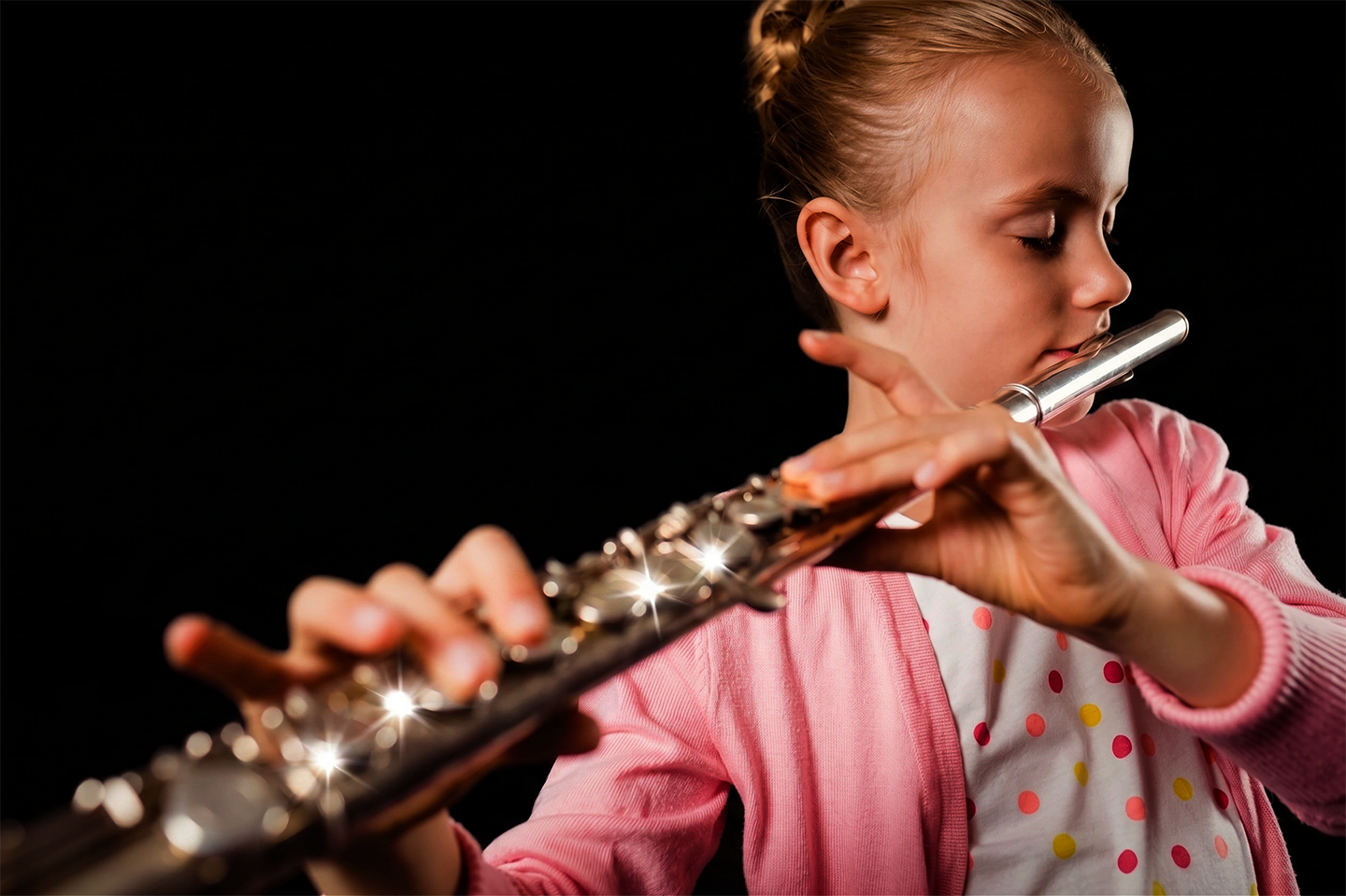
The music program for the upper grades will include instruction on the recorder (flute) as a learning tool. Students will further develop their literacy in music by reading, writing and performing music notation in class and small group settings. Connections to math skills are explored through analysis of rhythmic values. Word and language skills are also used as students familiarize themselves with the musical ‘alphabet’ and note reading. In addition to recorder, melodic instruments used include xylophone, marimba and glockenspiel (Orff instruments). Topics for the middle grade music class include: music of world cultures, ethnic instruments, music history, music genres and the science of sound. In addition, middle grades will have performance opportunities in music enrichment clusters such as chorus and recorder ensemble. Future plans for the WCSS music program include the establishment of a performing concert band.

Social Studies
At Waterside Children’s Studio School, our social studies curriculum helps students explore history, culture, geography, and community through meaningful discussion and inquiry. Students develop empathy, critical thinking, and a deeper understanding of the world and their role within it.
Passport to Social Studies Overview
The NYCDOE K-8: Passport to Social Studies program is a comprehensive instructional resource that integrates the Common Core Learning Standards (CCLS) and the New York State K-8 Social Studies Framework to support strong social studies teaching and learning.
An effective social studies program allows students to make sense of the world in which they live, make connections between major ideas and their own lives, and see themselves as active members of a global community. While knowledge of content is very important, it is equally important to engage our students in historical thinking. This program challenges students to think like historians and encourages them to raise questions, think critically, consider many perspectives, and gather evidence in support of their interpretations through the practice of chronological processing, decision-making, and historical research and analysis. These real-world skills will serve students well as participating citizens of a democracy.